The Basil Review
A quarterly on cooking, & the keeping of a kitchen. — Spring 2026.
Why We Built Basil
— an opinion expressed in software
IAn app is, in the end, an opinion expressed in software. This is the opinion behind ours — and the small frustrations that built it.
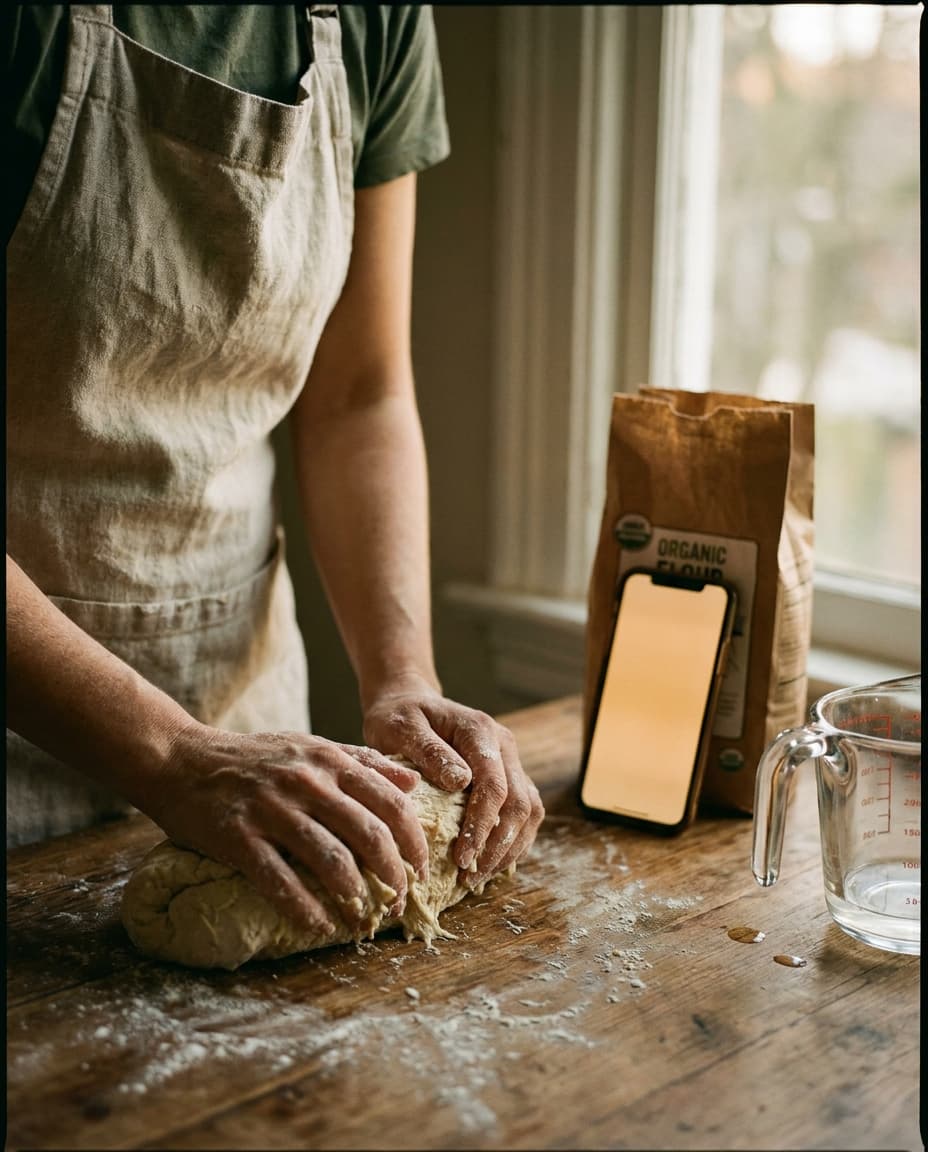
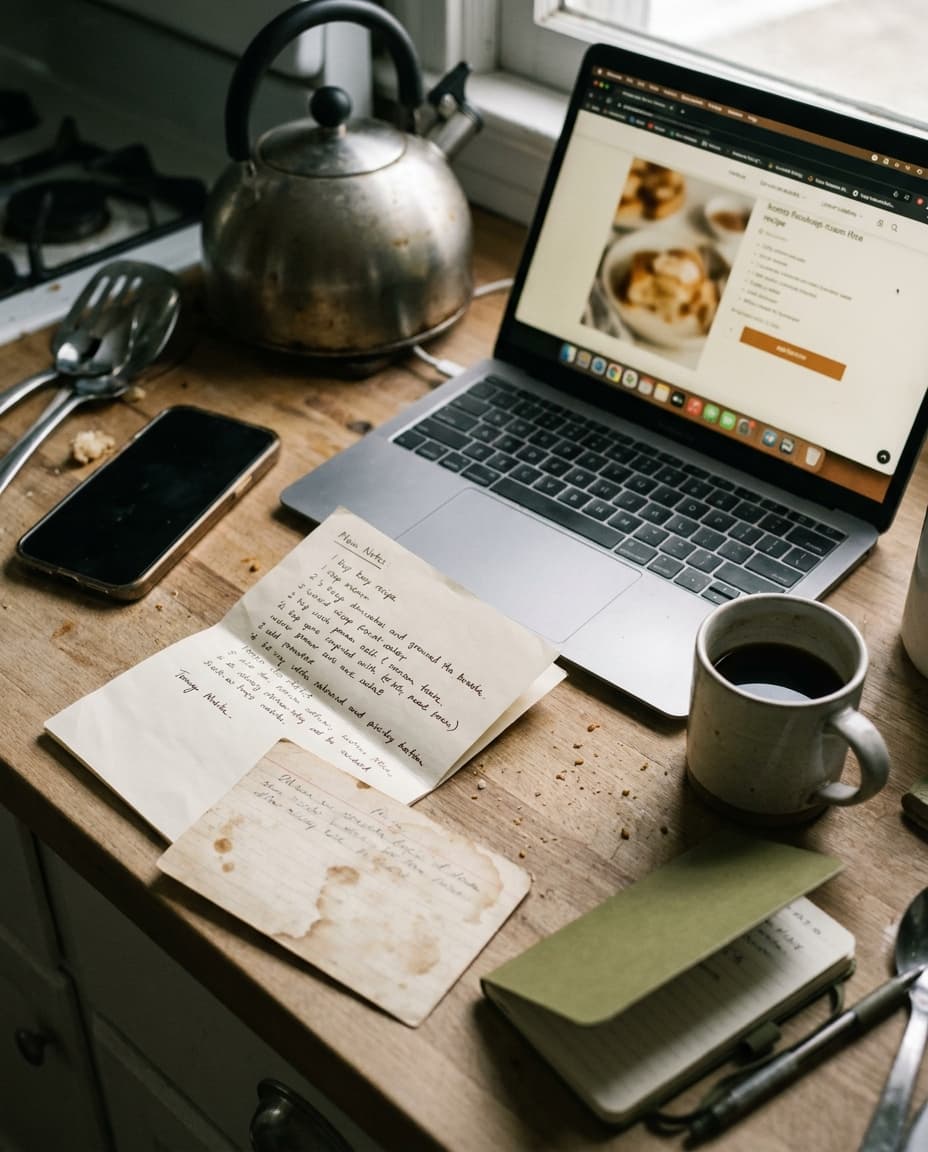
The Recipe Library You Already Have
Most home cooks already have a thousand-recipe library — scattered across screenshots, bookmarks, half-remembered links, and a recipe scrawled on the back of an envelope from 2019. The problem is not collecting more.
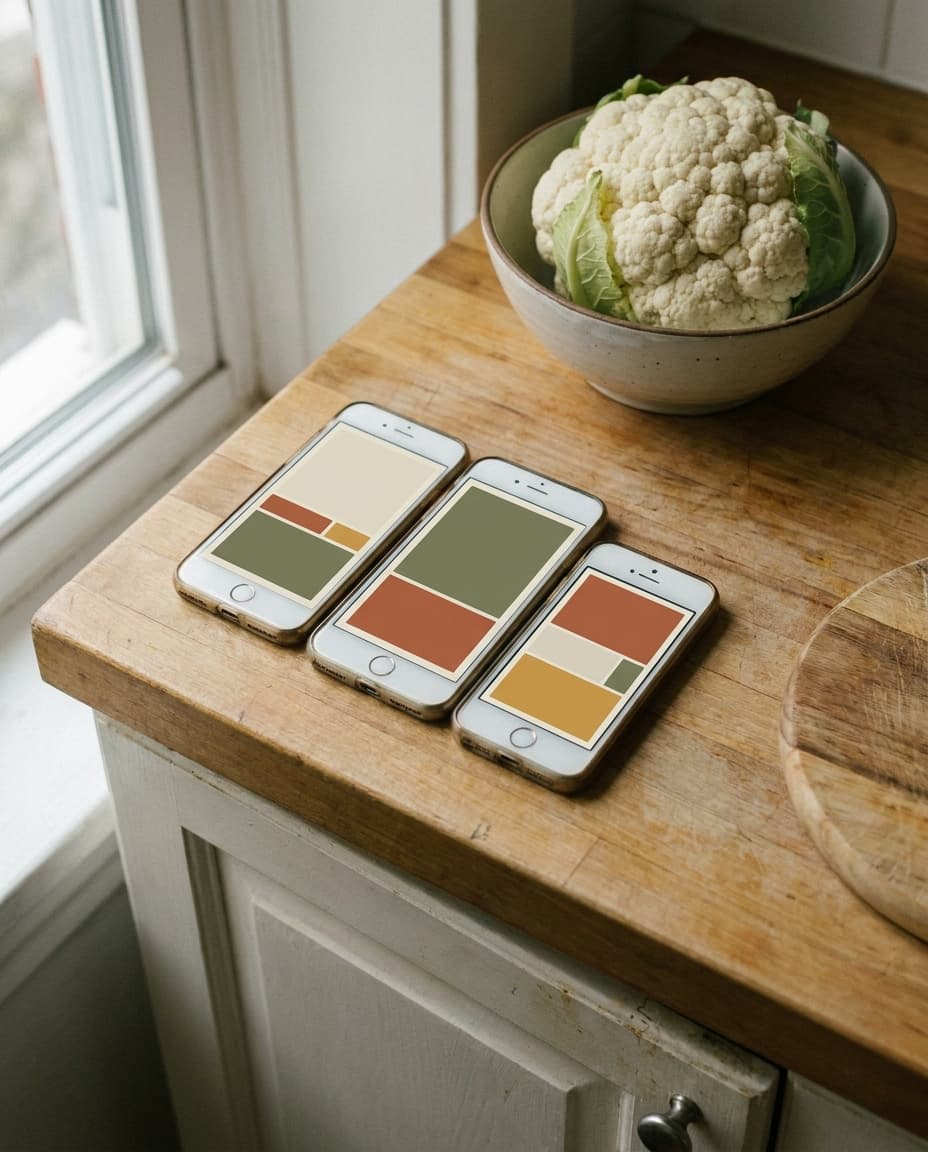
A Field Guide to iOS Recipe Apps
A reviewer's notebook on Paprika, Whisk, Mela, Crouton, Apple Notes, and Basil — and a tentative theory of why none of them quite feel finished.
The Archive
Nine further dispatches, filed by our writers between Menton, Tokyo, and a kitchen in Vermont.
What We Lost When Recipes Left the Index Card
The quiet epistemology of a grease-stained recipe box — and why no algorithm will replicate the marginalia your grandmother left in the margin.
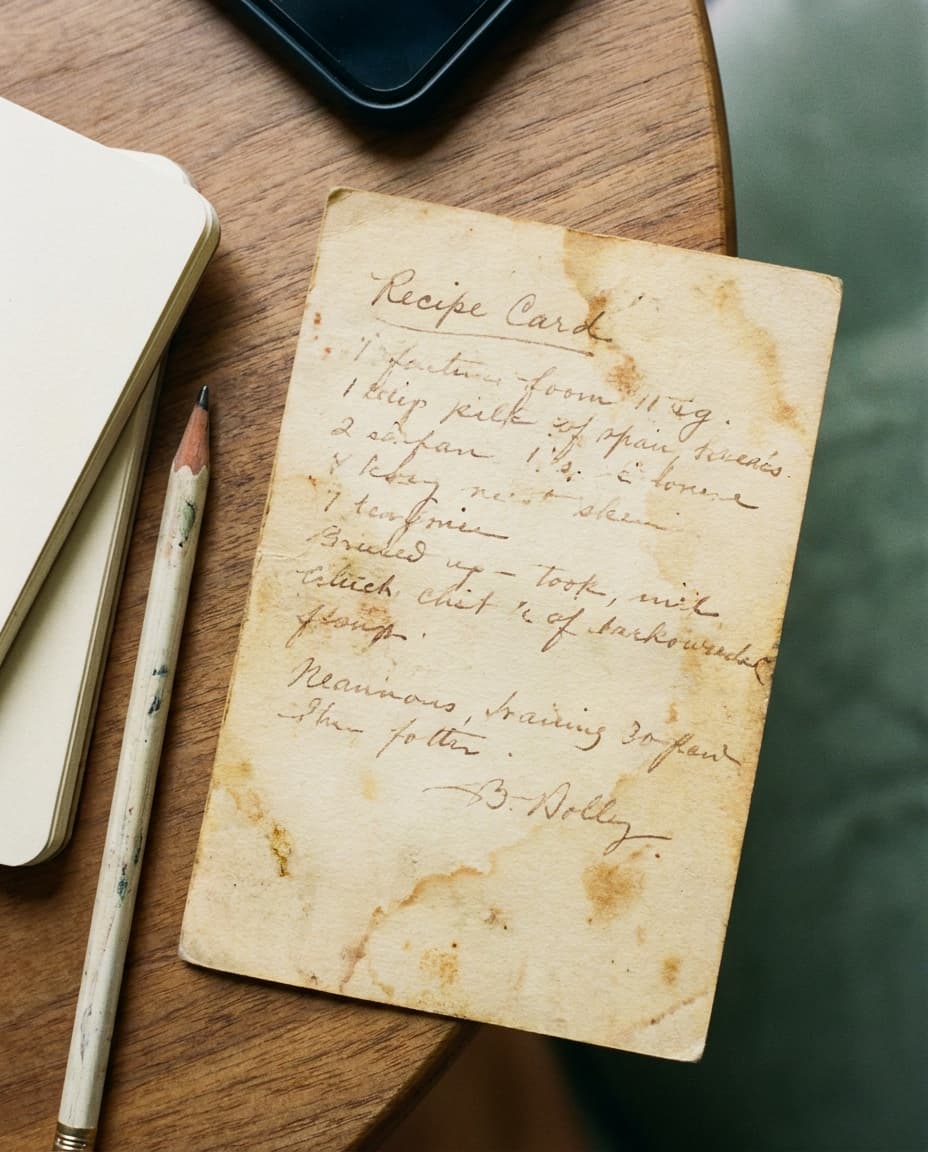
How to Digitize a Family Recipe
An afternoon, a smartphone, a shoebox of grease-stained cards. A small protocol for moving forty years of handwriting into something your daughter can still cook from in 2056.
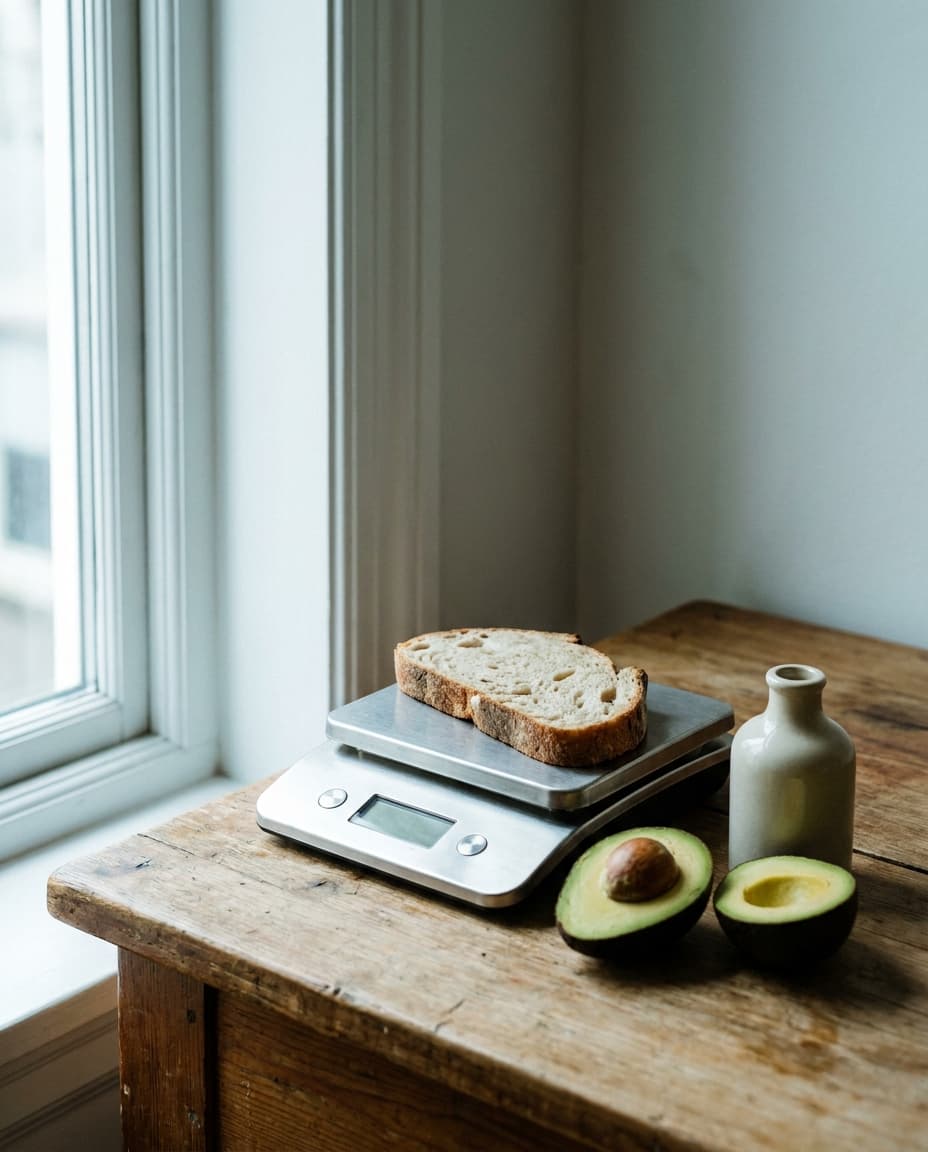
On Calorie Tracking, Honestly
Counting calories has been recast as either a moral obligation or a personal failing. There is, somewhere between MyFitnessPal and full surrender, a useful middle.
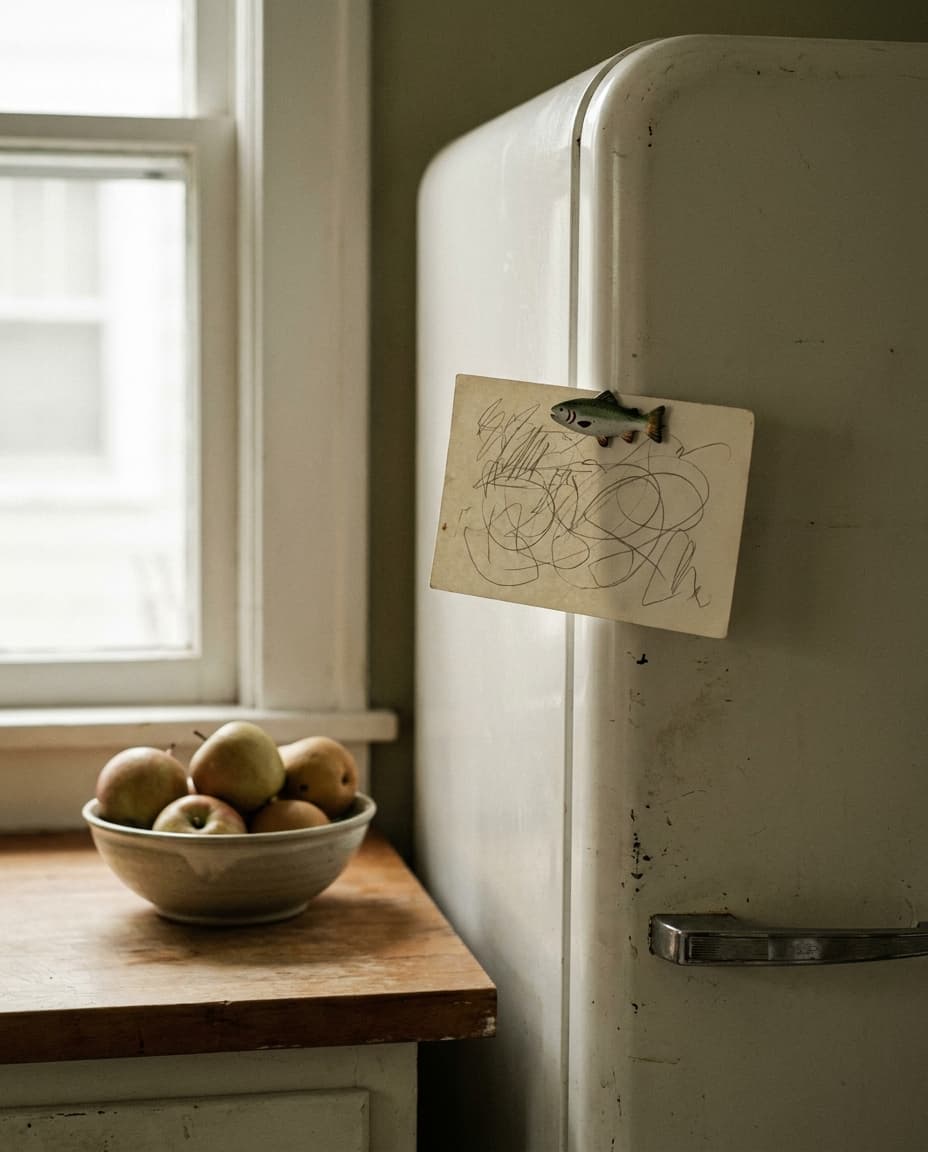
A Modern Meal Plan
Most meal-planning advice was written for the 1950s. Here is what it looks like in 2026 — for a household of two adults, one fridge, and a Tuesday that already had a meeting at six.
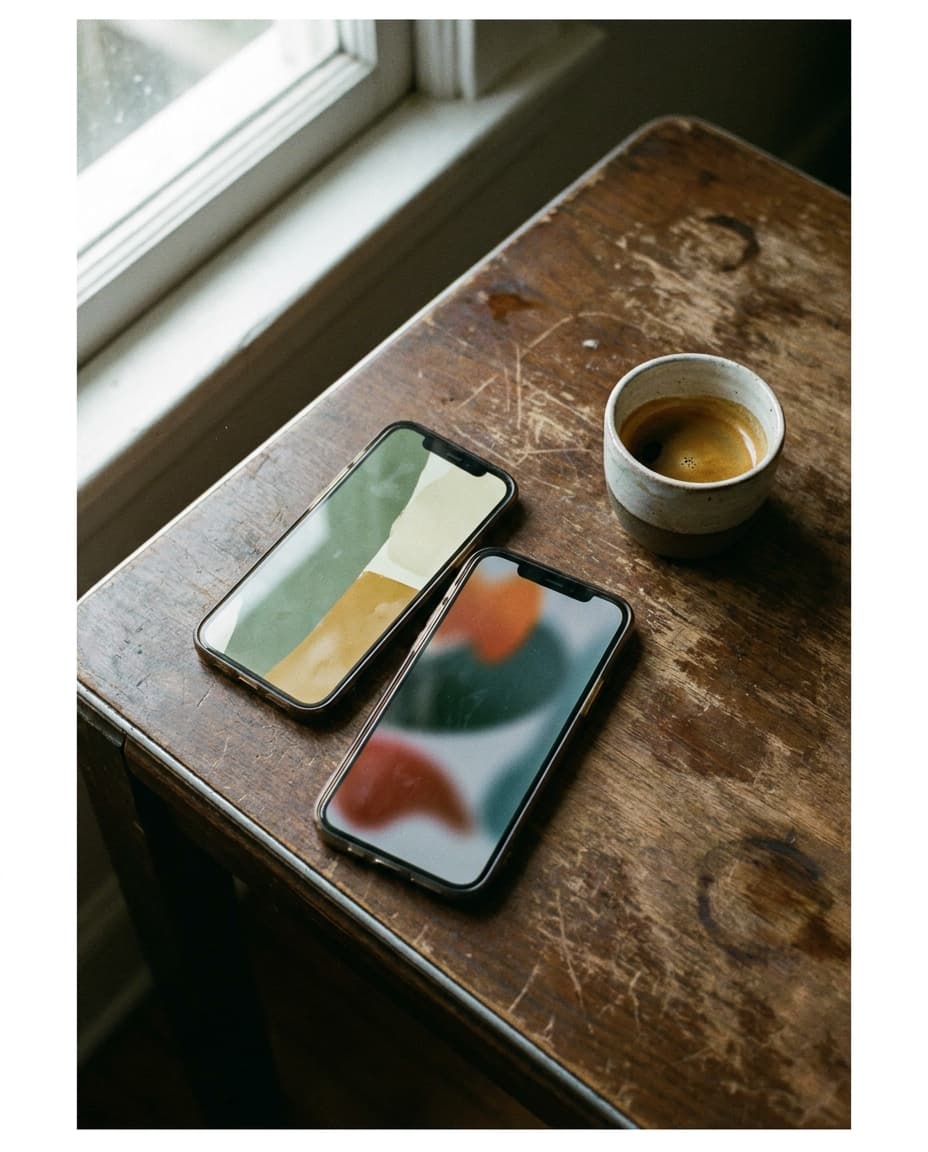
Basil & Paprika
The most asked question about Basil is how it compares to Paprika 3 — the long-running power-user favourite. Both work. They want to be different things.
Basil & Whisk
Whisk became Samsung Food and pivoted toward something larger. That left a hole in the category — and a question about what a recipe app is, exactly, supposed to be.
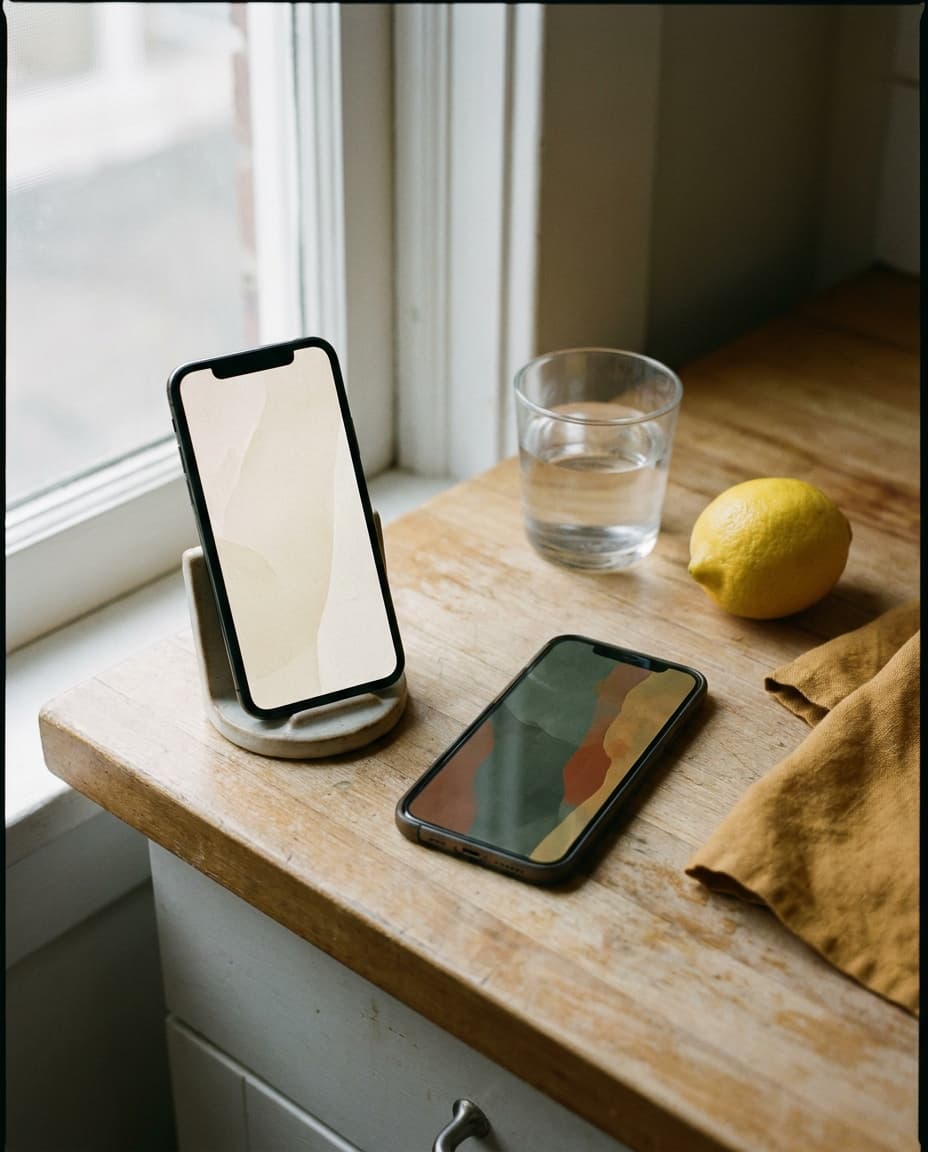
Basil & Mela
Mela is one of the most beautifully designed apps on iOS. The question is whether you want an app to be beautiful, or to be the place dinner happens.
Basil & Apple Notes
The most-used recipe app on iOS is the one that wasn't designed to be a recipe app. Apple Notes does the job — until the moment it doesn't.
Importing a Recipe from Anywhere
The recipe lives somewhere — a website, a YouTube video, a friend's text, a screenshot of a screenshot. A short field manual for the modern import workflow.
How Professional Cooks Keep Their Recipes
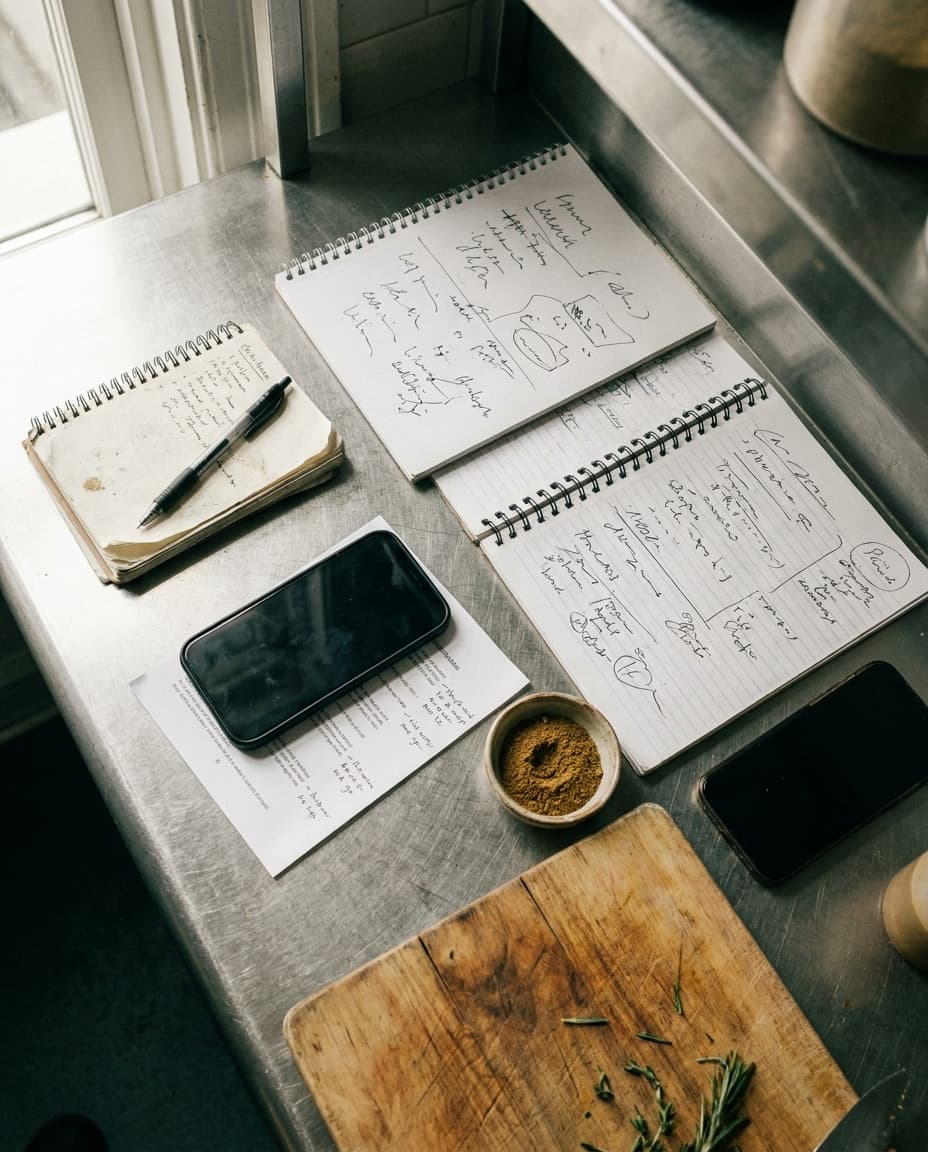
Five working chefs, three kitchens, one persistent question: where does the recipe actually live? A reporter's notebook on the surprising, often improvised, software stacks of professional cooks.
The Shopping List, Computed
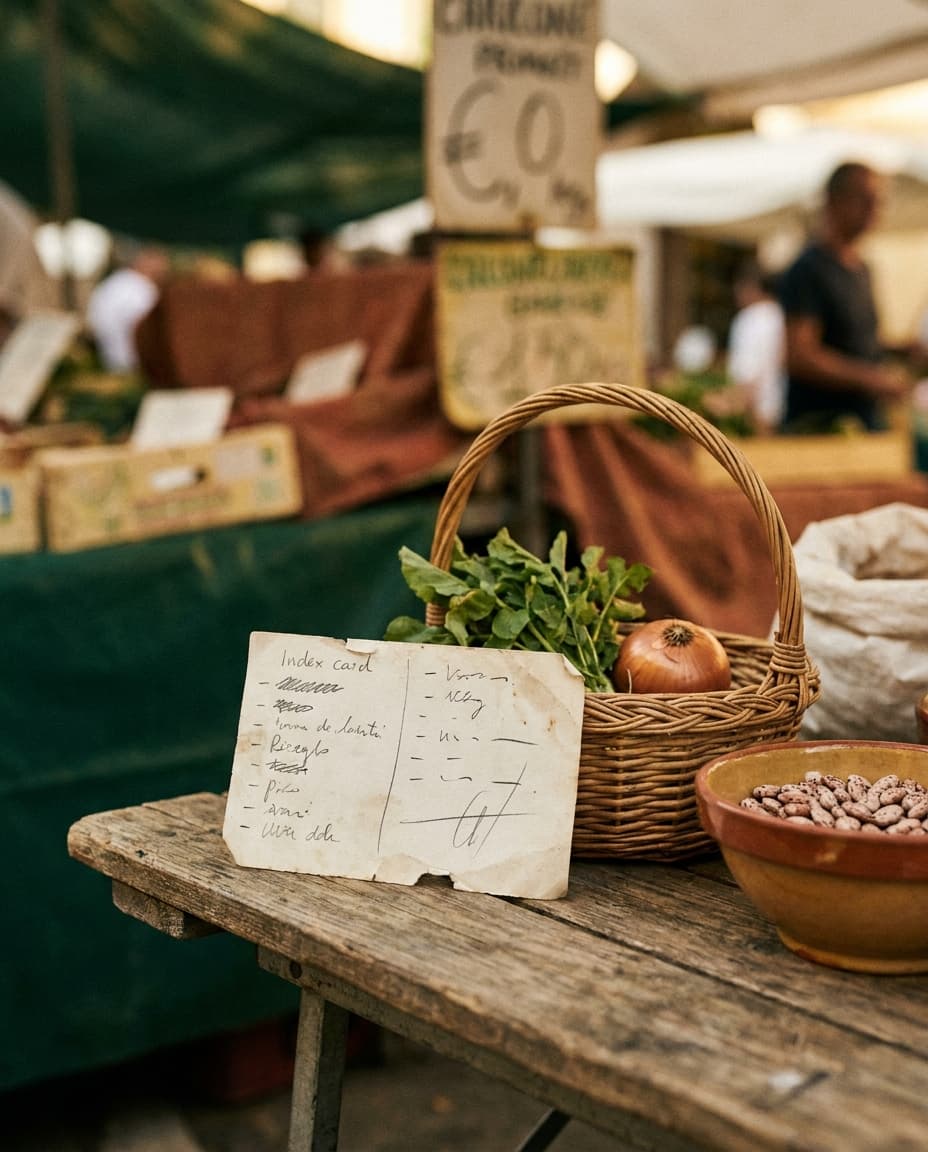
A meal plan and a grocery list are not two documents. They are one document, viewed two ways. The friction between them is why most home cooks buy three onions when they needed one.
The Quiet Work of Allergy Alerts
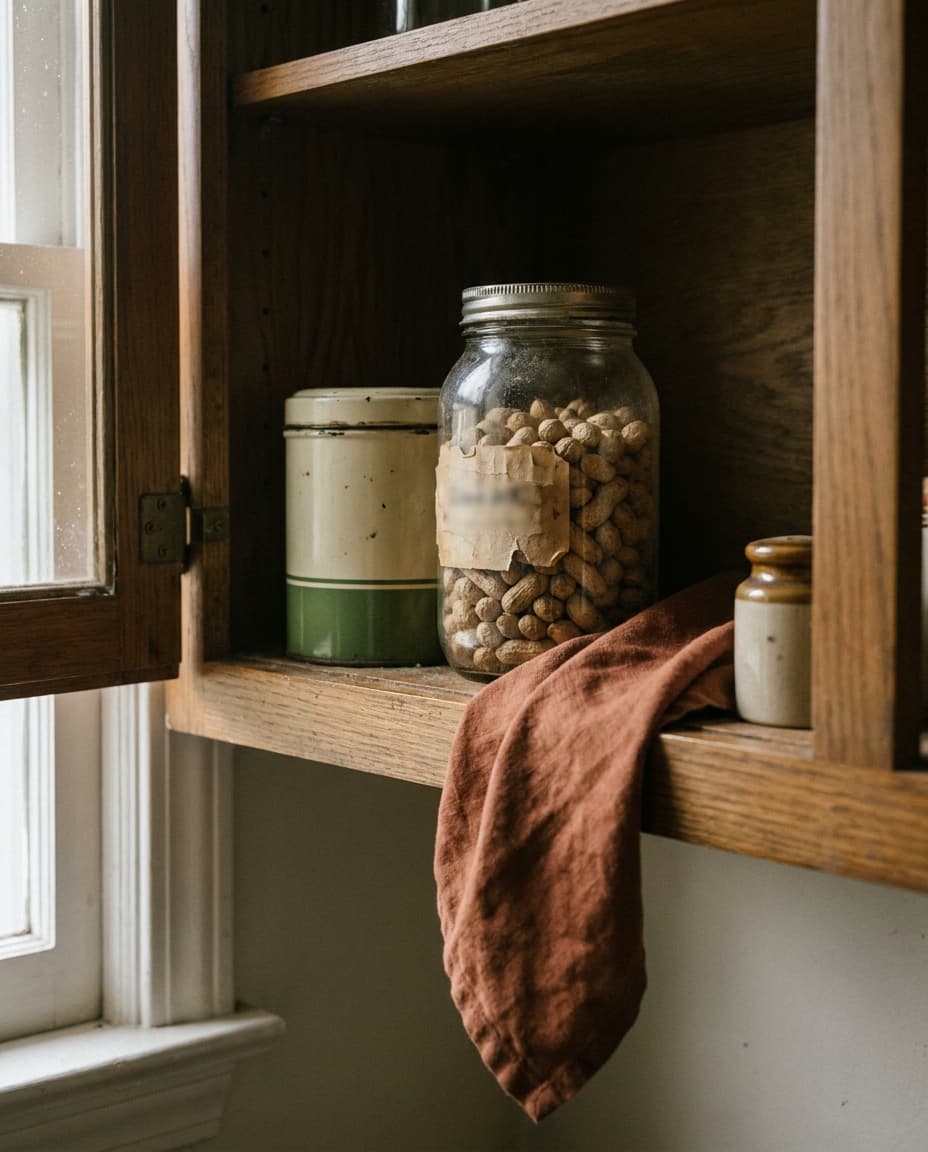
Every household has at least one allergen it cannot afford to forget. Most recipe apps have not yet noticed. The cost of forgetting, twice in a decade, is the entire argument for a different kind of software.
The Screen That Does Not Sleep
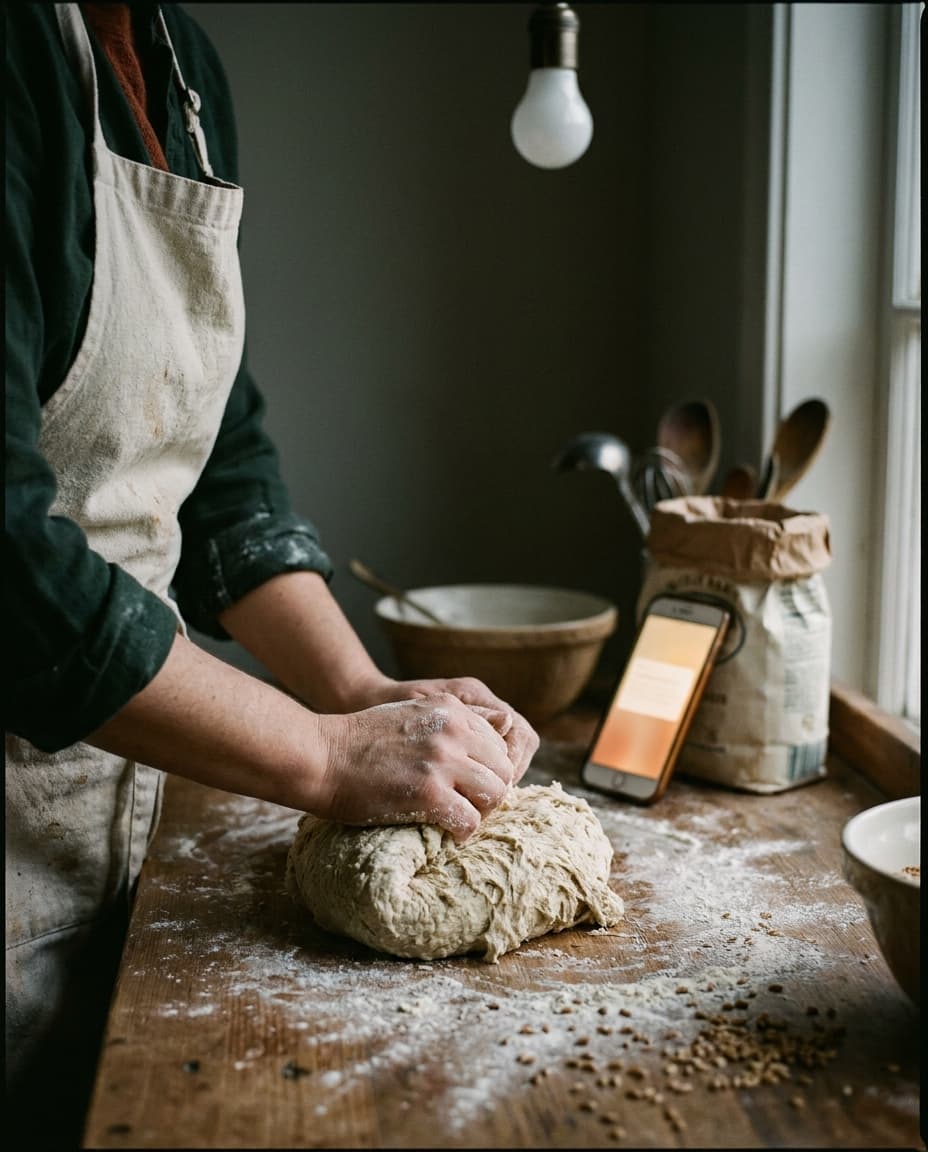
The single most consequential design decision in a recipe app is whether the phone screen stays awake while your hands are in dough. Most do not.
Tags Beat Folders, Almost Always
Folders ask you to know, in advance, where every recipe will go. Tags admit you do not. Recipe libraries built on the second model age better — and the difference compounds across a decade.
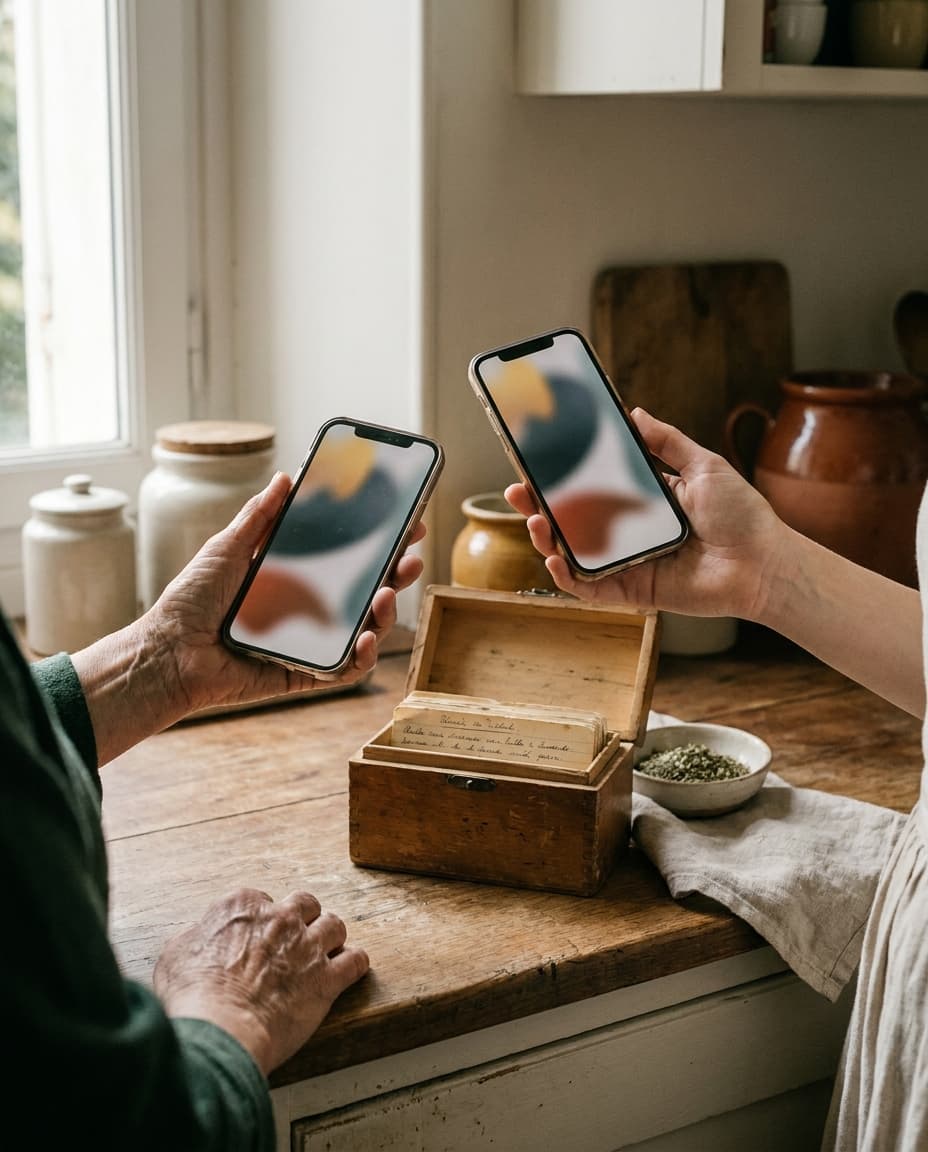
Passing Recipes Down, in 2026
The wooden box on the kitchen shelf was, for forty years, how recipes moved between generations. The thread between a grandmother and her granddaughter is now, more often than not, an iMessage.
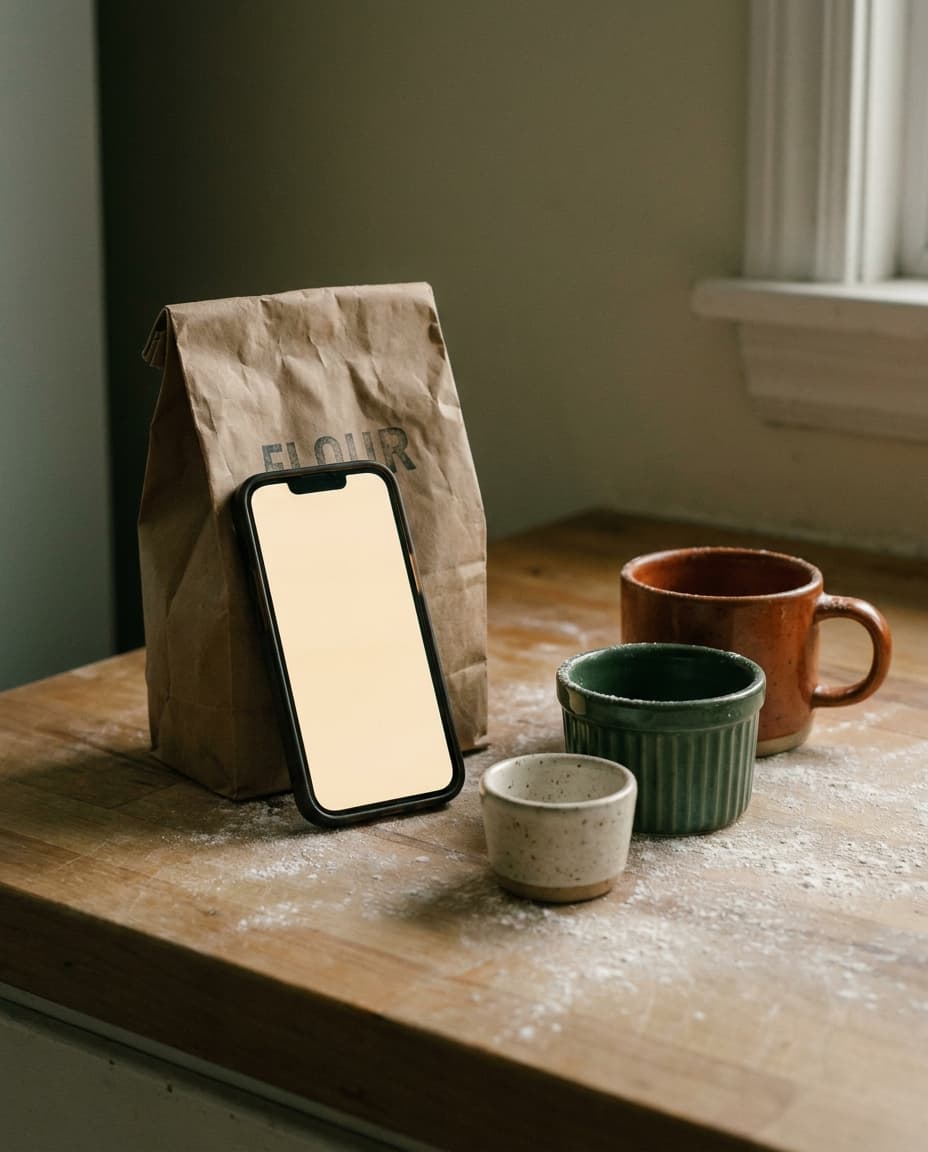
Cooking for One, or for Twelve
Most recipes are written for four. Most dinners are not. The math you do with a wet hand and a calculator is the small daily friction every home cook quietly accepts — and shouldn't.
One Library, Every Device
The recipe app you trust is the one that survives a phone replacement, a kitchen-tablet failure, and a switched-iCloud-account at 7:42 on a Tuesday.
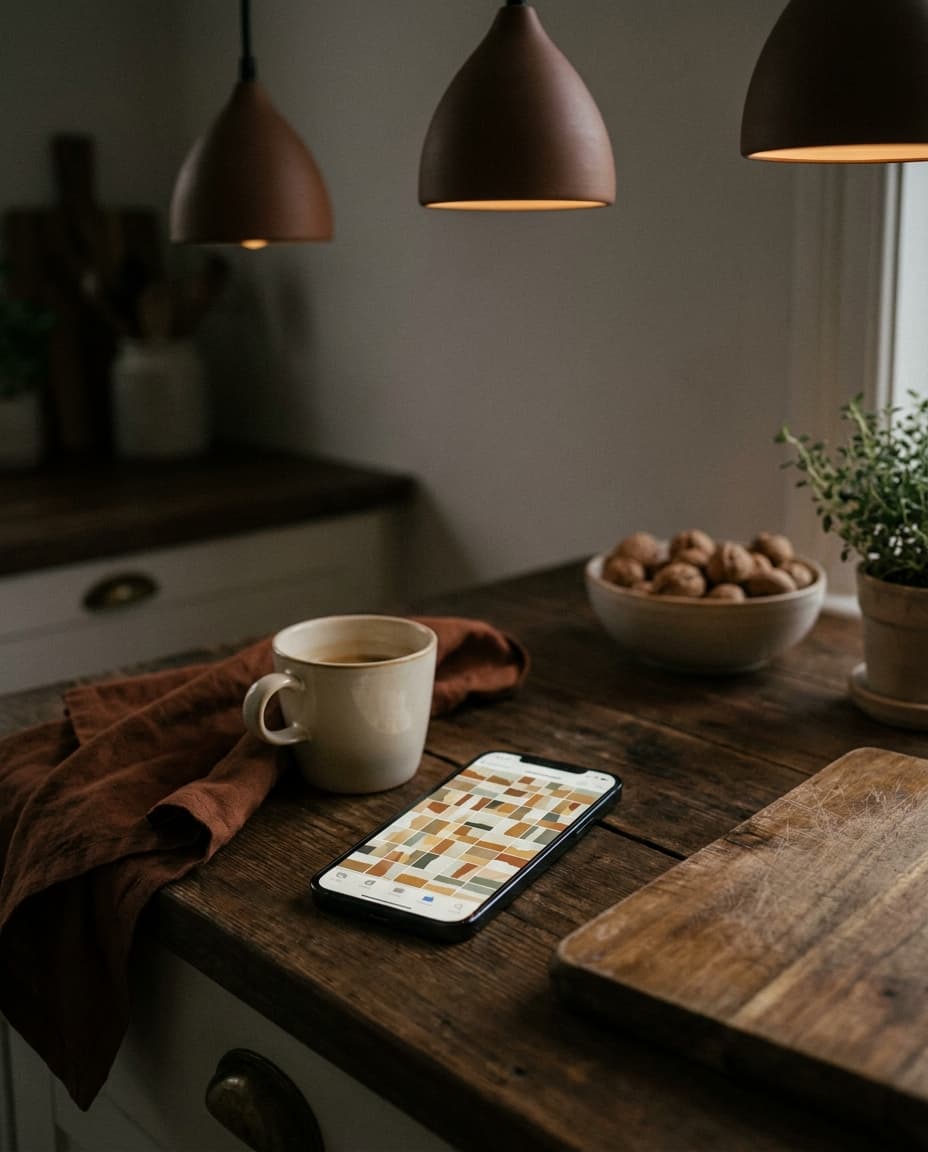
The Screenshot Folder Problem
There is a folder on every cook's phone, untitled, full of recipe screenshots from Instagram and TikTok — perhaps eight hundred of them. None of them is searchable.
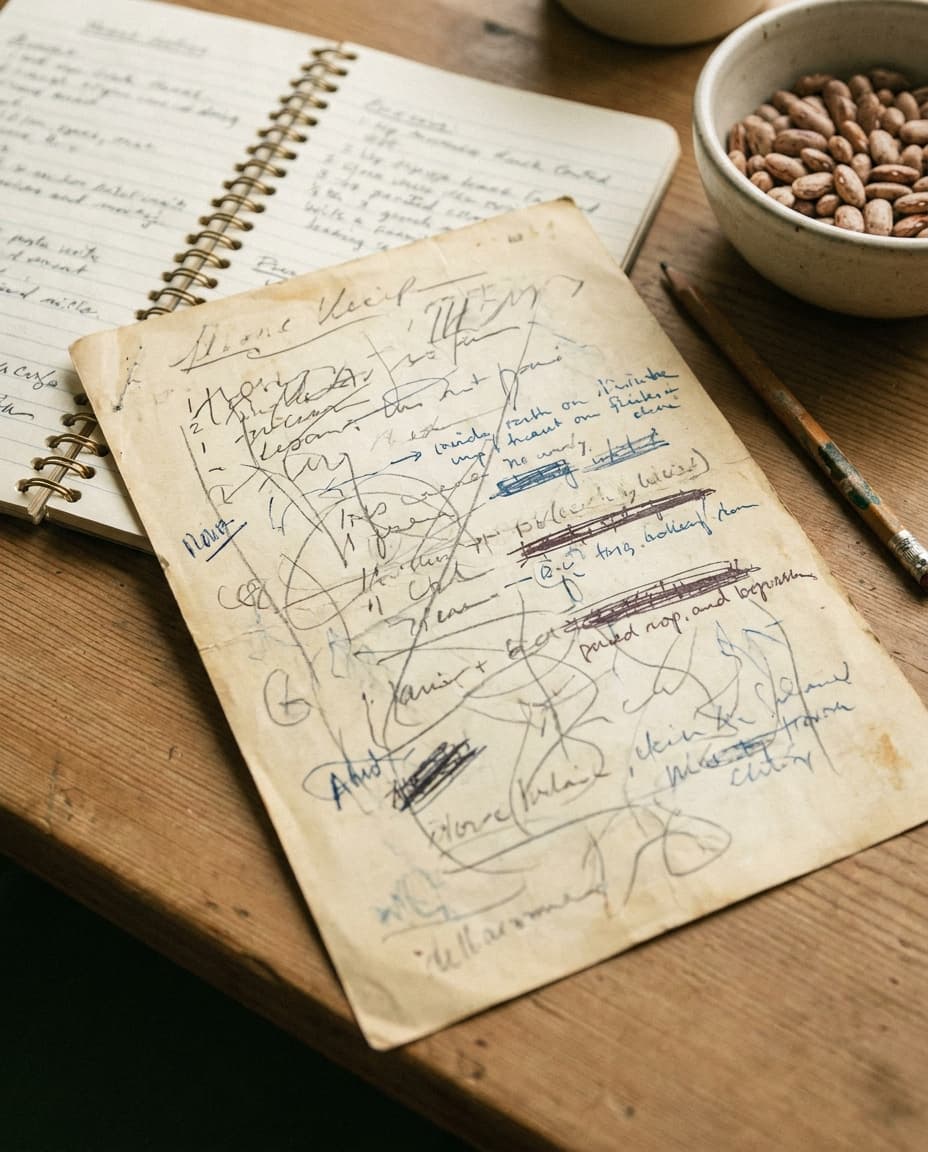
The Recipe That Changes
A recipe gets better the eleventh time you make it. Most recipe apps treat the recipe as a static file. The card on grandmother's shelf knew better.
Moving from Notes to a Real Recipe App
Thirty-seven recipes in a Notes folder labeled simply 'recipes'. The folder works, until it doesn't. A practical primer on the Sunday afternoon when you decide to actually move them.
The next issue,
in your hands.
Four issues a year, posted from our kitchen to yours. A small essay on Sundays, and nothing we wouldn't read twice.
Now available
Try Basil, free on iOS— on the App Store.